Benefits of Ergonomic Seating for the Home Office
*Purchases made through our links may earn us a commission. Please view our disclosure to learn more.
How Ergonomic Seating Changed My Workday
When I first started working from home, I thought any chair would do. If it had four legs and didn’t fall apart, I called it “good enough.” A few months later, my back told a different story. Tight shoulders, aching hips, and that deep lower-back fatigue became part of my daily routine. Switching to ergonomic seating wasn’t just an upgrade, it was a turning point. Once I felt the difference, I became a full-on believer in home office ergonomics.
What Ergonomic Seating Really Means
Ergonomic seating isn’t about luxury or fancy labels. It’s about designing a chair that works with your body instead of against it. The goal is simple: reduce strain, support natural posture, and keep you comfortable for longer periods of focused work. Standard chairs are built for looks or short-term use. Ergonomic chairs and gaming chairs are built for hours of sitting. They adjust to your body instead of forcing your body to adapt to them.
Why Seating Is the Core of Home Office Ergonomics
Your chair is where your body spends most of its workday. If it fails, everything else such as your desk height, monitor position, keyboard placement, has to compensate. Good seating is the anchor of the entire setup. Many home offices rely on whatever chair happens to be nearby. Unfortunately, most household chairs weren’t designed for sustained sitting or focused work.
- Dining chairs lack lumbar support.
- Stools eliminate back support entirely.
- Couches encourage slouching. They’re fine for meals or relaxation—but terrible for productivity and posture.
The Physical Benefits of Ergonomic Seating
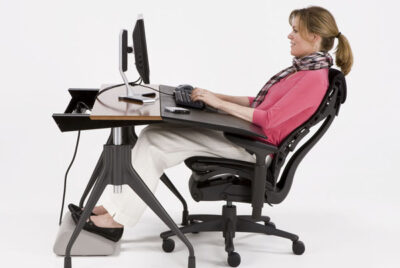
The benefits of ergonomic seating show up quickly, when combined with a ergonomic desk or gaming desk, and they’re hard to ignore once you feel them. Proper lumbar support keeps your spine aligned and prevents that collapsing feeling in your lower back. Adjustable backrests and head support reduce neck strain and shoulder tension. When your hips, knees, and shoulders are aligned, muscles stop working overtime.
Less strain means less fatigue and fewer aches at the end of the day. Simply explained, think of your spine like a stack of building blocks. Ergonomic seating keeps those blocks stacked neatly instead of leaning dangerously to one side.
Top 5 Ergonomic Office Chairs Available (Great All-Around Picks) From $130 to $230
Sihoo M57 Ergonomic Office Chair
A popular ergonomic choice with a breathable mesh back, 3D adjustable armrests, robust lumbar support, and ergonomic design that aligns with your spine. It’s great for long hours at a desk or work-from-home setups. Excellent balance of support and price.
Flexispot Ergonomic Mesh High‑Back Office Chair
Premium comfort with self-adaptive lumbar support, adjustable headrest, and a recline range that helps you relax while staying productive. The high-back design and soft 3D armrests make this ideal for full-day use.
TRALT Ergonomic Mesh High-Back Desk Chair
A top ergonomic pick with high ratings for comfort with breathable mesh, adjustable arm rests, and supportive seat design make this a superb everyday office chair.
Colamy Ergonomic Leather High Back Office Chair
Highly rated chair with adjustable lumbar support, padded headrest, and folding armrests. Extremely comfortable and supportive, especially for longer working or gaming sessions. With the added benefit of rocking back and forth.
Oline ErgoPro Ergonomic Office Chair
A comfortable mesh ergonomic chair with adjustable headrest, full recline options, and smooth tilt-lock system. A great pick for those wanting customizable comfort and reliable support.
Ergonomic Seating and Productivity
Comfort isn’t just about feeling good, it directly impacts how well you work. When your body is supported, your mind can focus. I noticed I could work longer without needing constant breaks. Ergonomic seating reduces distraction from discomfort, helping you stay in the zone.
Adjustability: The Secret Sauce
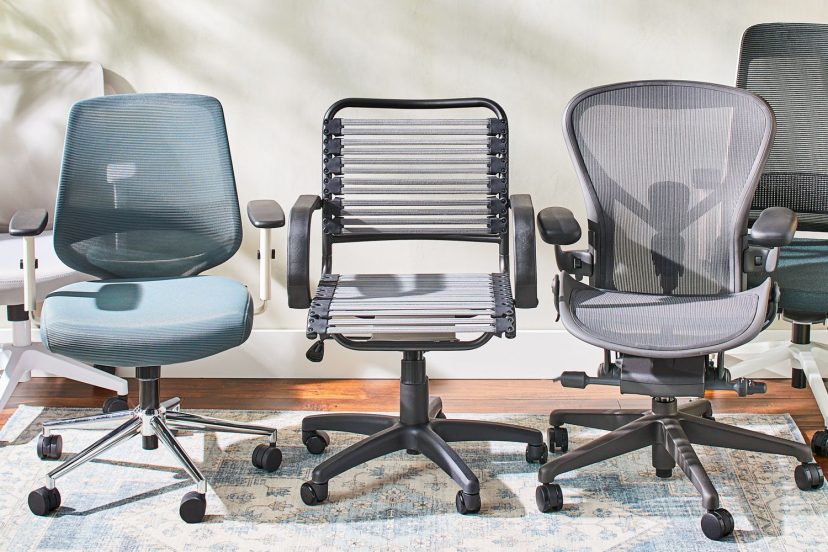
One-size-fits-all seating doesn’t exist. Adjustability is what makes ergonomic chairs truly effective. Adjustable seat height keeps your feet flat on the floor. Seat depth supports your thighs without cutting off circulation. Tilt lets you shift positions and stay dynamic. Adjustable armrests prevent shoulder shrugging, while lumbar support maintains the natural curve of your lower back are both crucial for long-term comfort.
How Ergonomic Chairs Encourage Better Posture
A well-designed chair gently nudges you into better posture. It doesn’t force you, it supports you, making good posture the easiest option. Buying the right chair can feel overwhelming, but a few key features make the decision easier. Adjustable lumbar support, seat height, seat depth, armrests, and breathable materials. If a chair can’t adjust to you, it’s not truly ergonomic. The biggest and most common mistake is choosing looks over function. Another is buying a chair with too few adjustments. Ergonomics is personal and flexibility matters.
Final Thoughts From a Home Office Ergonomics Enthusiast
Ergonomic seating transformed the way I work from home. It reduced pain, boosted focus, and made long workdays sustainable. If you change just one thing in your home office, start with your chair. Your body will thank you every single day.
FAQs
- Is ergonomic seating really worth the cost?
Yes. The comfort, health benefits, and productivity gains quickly outweigh the upfront price. - How long does it take to feel the benefits?
Many people notice reduced discomfort within days of switching. - Can ergonomic seating improve posture on its own?
It helps significantly, especially when combined with proper desk and monitor setup. - Are mesh or cushioned chairs better?
Both can work. Mesh offers breathability, while cushioning provides softness—it’s personal preference. - What’s the most important ergonomic chair feature?
Adjustable lumbar support—it protects your spine and improves overall comfort.